

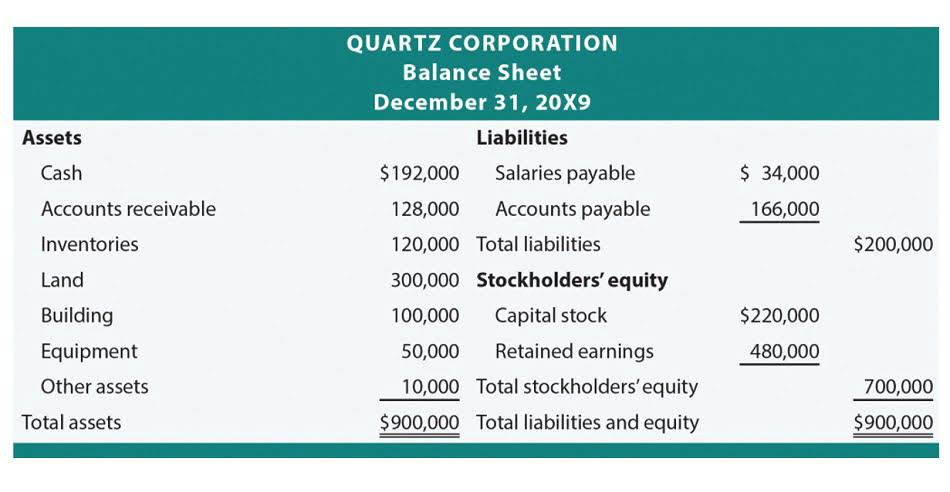
When businesses payout trade trade payables accounts payable within a year they are classified as current liabilities. And when that’s not the case, trade payables are classified as long-term liabilities. Since such liabilities come with an interest rate the accountant is likely to classify them as long-term debts. A common example of a trade payable is when a business purchases goods, such as raw materials or office supplies, on credit from a supplier. Until the invoice is paid, the amount is recorded as a trade payable on the company’s balance sheet. Look on the right-hand side for liabilities, then scan down to find current liabilities.
Importance of Managing Trade Payables
A bookkeeper or CPA must do a little guesswork and follow the accrual method of accounting to ensure the account balance is accurate. As a business matures, it begins to accumulate expenses https://portfolios.harbordubai.com/2021/03/16/cost-accounting-principles-methods-and-decision/ that must be recorded and tracked. Whether this transaction has occurred in the past, or is set to happen in the near future, everything must be documented. Payables are more certain and can be recorded accurately in terms of amount, payment terms, and payment date. If the outstanding balance is not settled in a reasonable time, however, the supplier or vendor has the right to pursue legal action to claim the payment owed. Usually, the accounts payable is recognized near the top of the current liabilities section.
Smarter Invoice Management for Finance Teams: How to Stay in Control
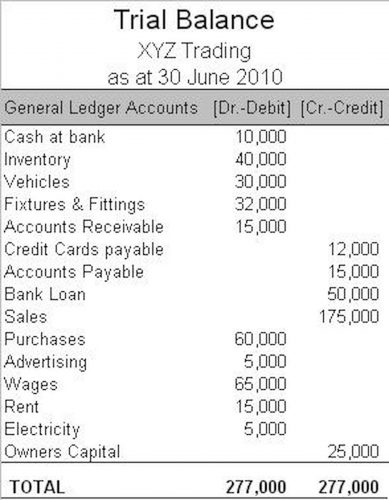
After the bill has been paid, the accountant debits account payable to subsequently decrease the liability balance. When the respective debit entry for this transaction is a debit offset to an expense account for the services availed on credit. On the other hand, it can be seen that when it is supposed to be recorded, Accounts Payable is supposed to be credited, when the invoice or the bill is received.
Accounts payable vs trade payable: examples
This is done by adjusting journal entries in the ledger to formally balance the books. In financial reporting, accounts payable is listed as a current liability on the balance sheet, reflecting obligations expected to be settled within a year. Effective management of accounts payable influences working capital, a key measure of operational efficiency and short-term financial health. When the relevant approver has approved the invoice and authorised it to be paid, the accounts payable team will include it in the entity’s next payrun.
How Do Accrued Expenses Work?
Although these terms are used interchangeably, they actually refer to different things. Trade payable is paid off according to the due dates or payment terms mentioned on the invoice and processed by the accounts payable department. Companies that buy inventory from a supplier are often allowed to pay the debt at a later date. In this case, the business is purchasing something on credit from the merchant, who essentially becomes a lender. Accounts payable (referred to as “payables” or simply “AP”) represents current liabilities that are set to be paid in the near future. As a company accrues expenses, the portion of unpaid bills continues to increase.

Following these standards ensures financial statements accurately reflect a company’s financial position. When your company receives an invoice for goods purchased on credit, it records the transaction using the double-entry accounting system. For example, if your company buys goods https://www.bookstime.com/articles/blockchain-in-accounting worth SAR 2,900, it will credit SAR 2,900 under accounts payable and debit SAR 2,900 to the expense account.
Matching invoices with relevant documents such as purchase orders, receiving reports and inspection slips can help prevent these issues. Creditors often allow a specific window to pay credit amounts without incurring any interest charges. An accrued expense is a liability of a business that becomes liable due to past events and is due in the future.
Accrued Expenses vs. Accounts Payable : Key Differences
- If they relate to operational business expenses, then they need to be settled within a month.
- Managing both these functions are therefore essential for the health of your company.
- When a business does an ordinary course of operations, it must purchase its primary inventory from external vendors to survive.
- And by system, we don’t only mean a structure but an actual platform designed to help you run your business with real-time information.
- When a company incurs expenses related to the purchase of goods or services from its vendors but does not make immediate payment, those expenses are recorded as Trade Payable in the books.
Trade payables typically involve goods or services received from vendors, such as equipment, supplies, or outsourced work. In contrast, non-trade payables include expenses like rent, utility bills, or employee reimbursements. In any case, proper procurement management plays an important role in ensuring timely payments and maintaining healthy relationships with suppliers.
